

Do Clothes Shrink After Dry Cleaning?
Did you know that about 10% of garments can shrink after dry cleaning if not handled properly? While dry cleaning is designed to preserve your clothes, certain factors can still lead to unwanted shrinkage. Understanding these nuances can save your favorite pieces from unexpected changes. So, what should you know about the dry cleaning process and its impact on your wardrobe?
Understanding the Dry Cleaning Process
When you take your clothes to the dry cleaner, you might wonder what happens behind the scenes. First, the staff inspects your garments for stains and damage, noting any specific care instructions.
Then, they separate the clothes based on fabric type and color to prevent any unwanted reactions during cleaning.
Next, your items are placed in a machine that uses a solvent, rather than water, to clean them. This solvent effectively removes dirt and stains without the risk of shrinking or damaging delicate fabrics.
After the cleaning cycle, your garments are dried using warm air, which helps to evaporate the solvent.
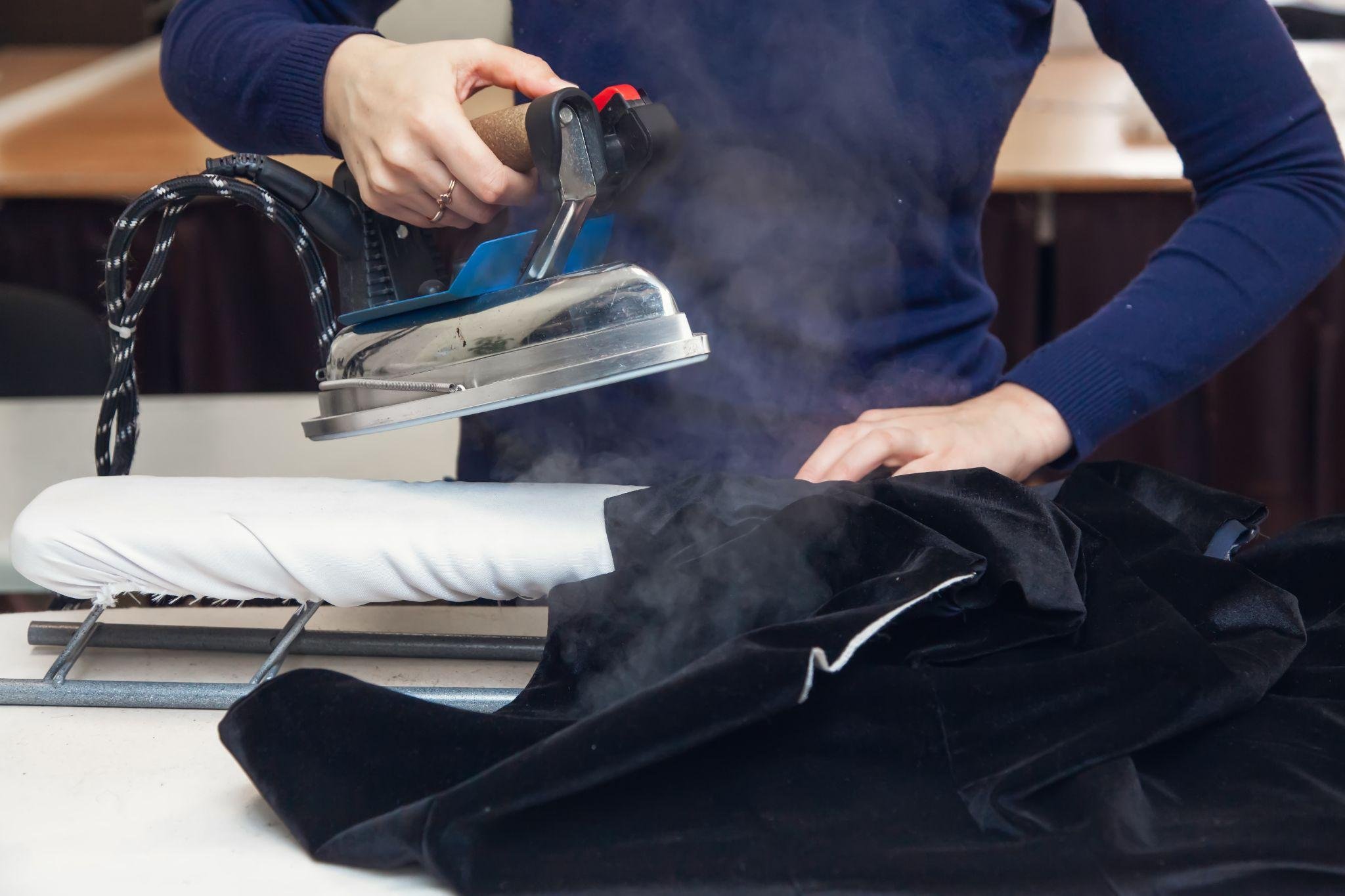
Finally, the dry cleaner presses and finishes your clothes, ensuring they look their best when you pick them up.
Understanding this process can help you appreciate the care your garments receive and alleviate concerns about potential damage or shrinkage.
Common Myths About Dry Cleaning
Many people hold misconceptions about dry cleaning that can lead to confusion and hesitation when choosing this cleaning method. One common myth is that dry cleaning doesn't clean clothes at all; instead, it uses solvents to remove stains and odors effectively.
Another misconception is that all fabrics can be safely dry cleaned. In reality, some materials, like certain synthetics and delicate fabrics, may not respond well to this process.
You might also think that dry cleaning is always more expensive than washing at home, but in some cases, it can save you time and effort.
Additionally, there's a belief that dry cleaning will shrink your clothes, which isn't true if done correctly.
Finally, many assume that garments need to be dry cleaned after every wear, but it's often sufficient to clean them only when necessary.
Understanding these myths can help you make informed decisions about your clothing care.
Factors That Influence Shrinkage
Understanding the factors that influence shrinkage can help you better care for your clothes, especially when considering dry cleaning. One key factor is the fabric type; natural fibers like wool and cotton tend to shrink more than synthetic ones.
The temperature during the cleaning process also plays a role. High heat can cause fibers to contract, leading to noticeable shrinkage.
The drying method is essential too. If your garments are exposed to excessive heat or tumble drying, you're more likely to see shrinking.
Additionally, the presence of moisture can impact shrinkage; damp fabrics are more susceptible to changing shape.
Finally, how you handle and care for your clothes—like washing them improperly or using harsh detergents—can contribute to shrinkage over time.
Types of Fabrics Prone to Shrinkage
Certain fabrics are more susceptible to shrinkage, especially if they're not treated with care.
You'll want to be cautious with these materials to avoid any surprises after cleaning.
Here are four common fabrics that can shrink:
Cotton: This natural fiber can shrink considerably, particularly if it hasn't been pre-shrunk.
Wool: While cozy and warm, wool can felt and shrink when exposed to heat and moisture.
Rayon: Known for its soft feel, rayon can shrink dramatically when washed incorrectly.
Linen: Though durable, linen may contract if not laundered or dried properly.
Always check care labels and consider your fabric choices carefully.
How to Prevent Shrinkage During Dry Cleaning
To keep your garments looking their best after dry cleaning, it's important to take proactive steps, especially with fabrics prone to shrinkage.
Start by reading the care labels on your clothes; they often provide valuable information on how to handle them. If you're unsure about a specific fabric, consider consulting your dry cleaner for advice.
When dropping off your clothes, let your dry cleaner know which items you're concerned about. They can take special precautions to minimize shrinkage.
Additionally, avoid overloading your dry cleaning bag. Giving your garments enough space helps reduce friction and stress during the cleaning process.
Lastly, consider air drying your clothes after dry cleaning instead of using a dryer, as the heat can exacerbate shrinkage.
The Role of Temperature and Chemicals
While you might think dry cleaning is a safe option for your clothes, the temperature and chemicals used in the process can greatly impact their integrity. High temperatures can cause certain fabrics to shrink, even if they're labeled as "dry clean only."
Additionally, the solvents used in dry cleaning can interact with the fibers of your clothing, leading to unintended results.
Here are some factors to evaluate:
Temperature Settings: Higher temperatures can weaken fibers, causing shrinkage.
Chemical Solvents: Different solvents can react differently depending on the fabric type.
Fabric Composition: Natural fibers like wool and cotton are more prone to shrinkage than synthetic ones.
Drying Process: The method used to dry your clothes after cleaning can also contribute to size changes.
Understanding these elements helps you make informed decisions about your garments and their care.
Tips for Maintaining Garment Size
Maintaining the size of your garments can be straightforward if you follow a few simple tips.
First, always check care labels before washing or drying your clothes. They provide essential guidelines on temperature and cleaning methods.
When washing, opt for cold water to minimize shrinkage. If you must use a dryer, select a low heat setting or air dry your clothes instead.
Consider investing in a fabric conditioner to keep fibers flexible, which helps maintain size. Avoid overloading your washing machine, as this can cause friction and lead to shrinking.
Finally, store your garments properly—hanging can help prevent stretching, while folding is better for heavier items.
When to Consider Alternative Cleaning Methods
If you're concerned about the potential for shrinkage or damage to delicate fabrics, it might be time to explore alternative cleaning methods.
There are several options that can help preserve your garments while keeping them fresh. Consider the following:
Hand Washing: Gently washing your clothes by hand can minimize the risk of shrinkage and damage.
Steam Cleaning: This method sanitizes and refreshes fabrics without using harsh chemicals or water, making it gentle on delicate items.
Machine Washing on Delicate Cycle: If the label allows, use a delicate cycle with cold water to reduce the chances of shrinkage.
Professional Wet Cleaning: This eco-friendly method uses water and specialized detergents, making it safer for delicate fabrics compared to traditional dry cleaning.
These alternatives can help maintain the integrity of your favorite items while keeping them clean and fresh.